
๐Ÿ“ž Call for a Free Quote: (877) 240-9073

Dead Rodent Removal & Odor Control in Memphis, TN

Technician locating a dead rodent odor source in a wall void in Memphis, TN

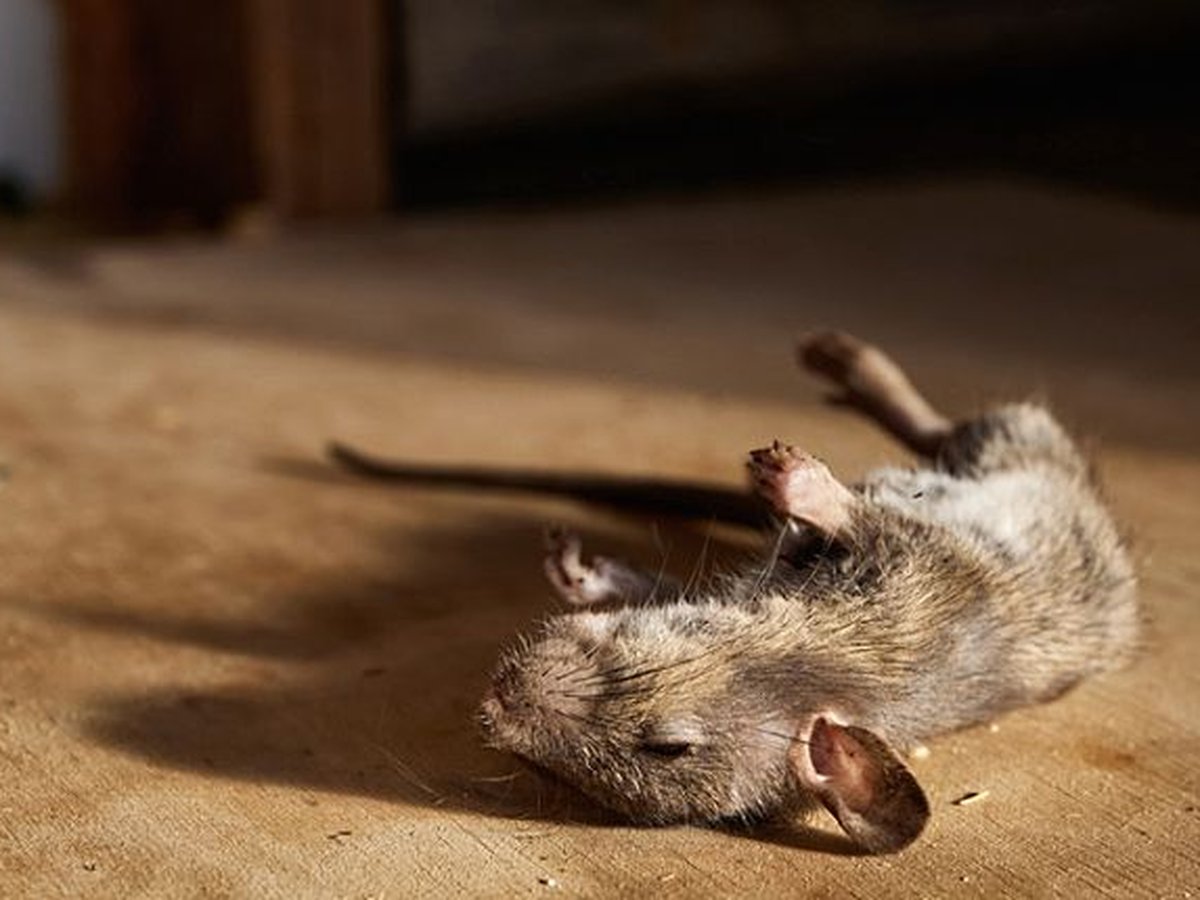
A dead rodent in a wall void, attic, or crawl space produces a smell that's hard to miss and even harder to ignore, and Memphis's heat and humidity make it worse: decomposition speeds up dramatically once a wall cavity or attic sits above 85 or 90 degrees for days at a stretch, which is most of a Memphis summer. A smell that might take a week to peak in a cooler climate can hit full strength in a few days here, and it tends to travel further through a house's return air system in the process.

Finding the source is the hard part, not removing it once found. Rodents die wherever they happen to be when illness, bait, or age catches up with them, which means the source could be inside a wall cavity behind drywall, tucked into attic insulation, under a subfloor, or deep in a crawl space where visual access is limited. We use a combination of experience-based searching โ€” following the smell to its strongest point, checking likely nesting and travel areas first โ€” and, where needed, thermal or moisture-detection tools to narrow down a location without opening up more of the house than necessary.

Once located, we remove the carcass and any contaminated material around it, then treat the area with an appropriate enzyme or antimicrobial product that breaks down odor-causing bacteria at the source rather than masking the smell temporarily. If the search reveals an active infestation rather than an isolated death, we'll walk you through next steps for trapping and exclusion so this doesn't become a recurring call. Call (877) 240-9073 for same-day service โ€” a dead rodent smell only gets worse with time in Memphis heat.

๐Ÿ“ž Call (877) 240-9073

Request This Service

* Indicates required field

Why the Smell Gets Worse Fast in Memphis Heat

Decomposition is a temperature-driven process, and a wall cavity or attic space in Memphis regularly sits well above 90 degrees for hours a day during summer, which accelerates the process compared to milder climates. That means a dead rodent smell here often peaks faster and stronger than homeowners expect, and it can pull into a home's HVAC return air and spread to rooms nowhere near the actual source, making the odor seem to come from everywhere at once.

How We Locate a Dead Rodent

We start by following the smell to its strongest concentration, then narrow the search using knowledge of common rodent travel and nesting spots โ€” wall cavities near a kitchen or bathroom plumbing chase, attic insulation along a known travel joist, or the underside of a subfloor near a crawl space entry point. Where the exact location isn't obvious, we use thermal imaging or moisture detection to pinpoint decomposition activity without unnecessary demolition.

Removal from Walls, Attics & Crawl Spaces

Each location calls for a different approach. A wall void sometimes requires a small access cut that a drywall contractor can easily patch afterward; an attic or crawl space location usually allows direct removal without any cutting at all. We remove the carcass along with any contaminated insulation or material immediately around it, since leaving contaminated material in place means the odor lingers even after the source itself is gone.

Odor Treatment That Actually Works

Once the carcass is removed, residual odor and bacteria remain in the surrounding material, so we treat the area with an appropriate enzyme or antimicrobial product designed to break down organic odor sources rather than a surface spray that only masks the smell for a day or two. We confirm the odor is fully addressed before considering the job finished, rather than assuming removal alone solved it.

When a Dead Rodent Signals a Bigger Problem

A single dead rodent found in isolation is usually a one-off situation, but recurring dead rodent odors, or finding more than one carcass in the same area, often points to an ongoing, active infestation rather than an isolated death. If our search turns up signs of continued activity โ€” fresh droppings, gnaw marks, or an active nest โ€” we'll walk you through trapping and exclusion options so the underlying problem gets addressed, not just the immediate odor.

Dead Rodents in Crawl Spaces vs. Wall Voids vs. Attics

A carcass in a crawl space is usually the most straightforward to locate and remove, since a technician can move through the space and search visually and by smell without any cutting. A wall void is the hardest, often requiring a small access hole in a specific spot identified by smell concentration and knowledge of typical rodent travel paths. An attic falls in between โ€” usually locatable without cutting, but sometimes buried under insulation, which slows the search but doesn't require opening a finished surface.

Why This Isn't a Job to Handle Yourself

Beyond the unpleasantness of the search itself, disturbing a decomposing carcass or the contaminated material around it without protection carries a real health risk, and cutting into a wall in the wrong spot based on guesswork can mean unnecessary drywall damage without ever finding the source. We carry the detection tools and protective equipment to locate and remove a carcass efficiently and treat the area properly the first time.

Multiple Dead Rodents After a Bait Program

If a home or business has recently used a rodenticide bait program, whether DIY or from another provider, it's common to have several carcasses die in different locations over a short window rather than one isolated death. We check for this pattern specifically when a property has a recent bait history, since a single removal often doesn't resolve the odor if more than one animal died in different, harder-to-reach spots around the same time.

Commercial Dead Rodent & Odor Response

A dead rodent odor in a restaurant, retail space, or office building carries added urgency, since it affects customers and employees directly and can trigger a health complaint or inspection if not resolved quickly. We prioritize commercial dead rodent calls for same-day response where possible and provide documentation of the source and resolution suitable for a property manager or health department record.

Cleaning Up After Removal

Beyond the carcass itself, we address any contaminated material immediately around the location โ€” soiled insulation, affected subfloor material, or droppings left behind from the time the animal was active before it died. Leaving contaminated material in place after removal is one of the most common reasons a homeowner thinks a dead rodent job "didn't work" when really the odor source was only partially addressed.

How to Tell It's a Dead Rodent, Not Something Else

A dead rodent smell has a distinct, sweetish decay odor that's different from mold, sewer gas, or a refrigerant leak, though homeowners sometimes struggle to tell them apart over the phone. It typically gets stronger in one general area of the house rather than being uniform throughout, and it often intensifies notably on a hot afternoon compared to a cooler morning. We can usually confirm which it is within the first few minutes of an on-site visit.

Dead Rodent Removal After a Prior Infestation

If you've already had a rat, mouse, or squirrel problem trapped and excluded, a lingering or returning odor afterward sometimes means an animal died in an inaccessible spot before the exclusion work was finished, rather than a sign the exclusion failed. We check for this specifically when odor shows up after a completed job, since it's a different issue than a new entry point and doesn't necessarily mean the seal needs redoing.

Areas We Serve

Proudly providing rodent control across the region:

Get Dead Rodent Removal & Odor Control in Memphis Today

Fast response, upfront pricing, and friendly local pros. Call now for a free quote.

๐Ÿ“ž Call (877) 240-9073