
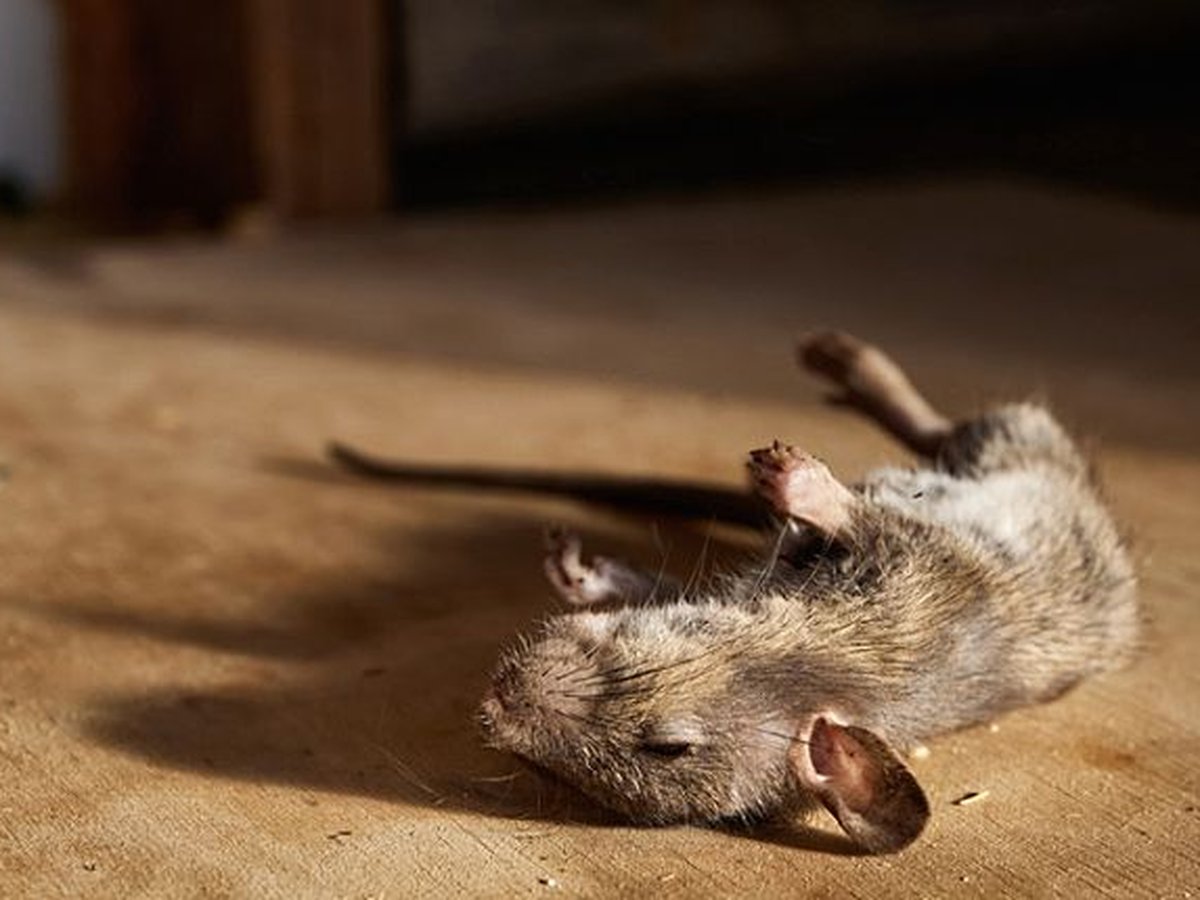
A dead rodent in a wall void, attic, or crawl space produces a smell that's hard to miss and even harder to ignore, and Memphis's heat and humidity make it worse: decomposition speeds up dramatically once a wall cavity or attic sits above 85 or 90 degrees for days at a stretch, which is most of a Memphis summer. A smell that might take a week to peak in a cooler climate can hit full strength in a few days here, and it tends to travel further through a house's return air system in the process.
Finding the source is the hard part, not removing it once found. Rodents die wherever they happen to be when illness, bait, or age catches up with them, which means the source could be inside a wall cavity behind drywall, tucked into attic insulation, under a subfloor, or deep in a crawl space where visual access is limited. We use a combination of experience-based searching — following the smell to its strongest point, checking likely nesting and travel areas first — and, where needed, thermal or moisture-detection tools to narrow down a location without opening up more of the house than necessary.
Once located, we remove the carcass and any contaminated material around it, then treat the area with an appropriate enzyme or antimicrobial product that breaks down odor-causing bacteria at the source rather than masking the smell temporarily. If the search reveals an active infestation rather than an isolated death, we'll walk you through next steps for trapping and exclusion so this doesn't become a recurring call. Call (877) 240-9073 for same-day service — a dead rodent smell only gets worse with time in Memphis heat.
📞 Call (877) 240-9073